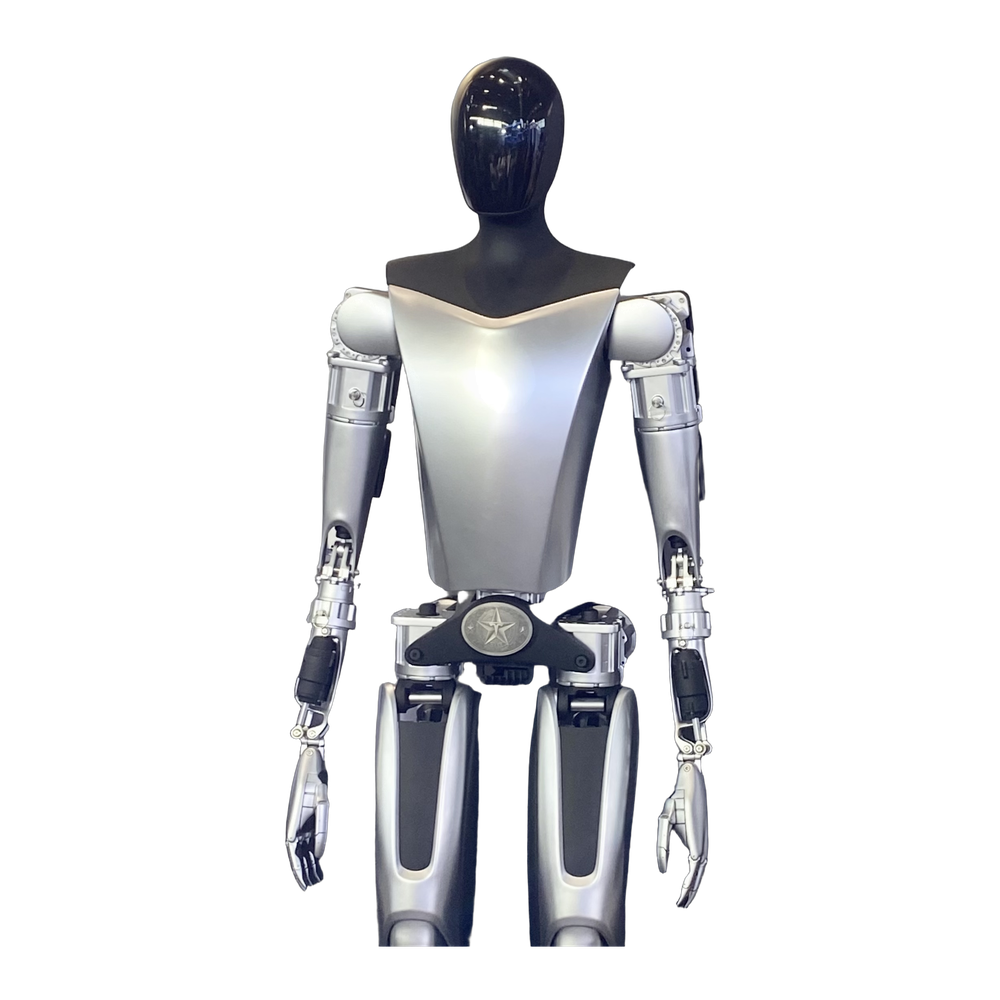
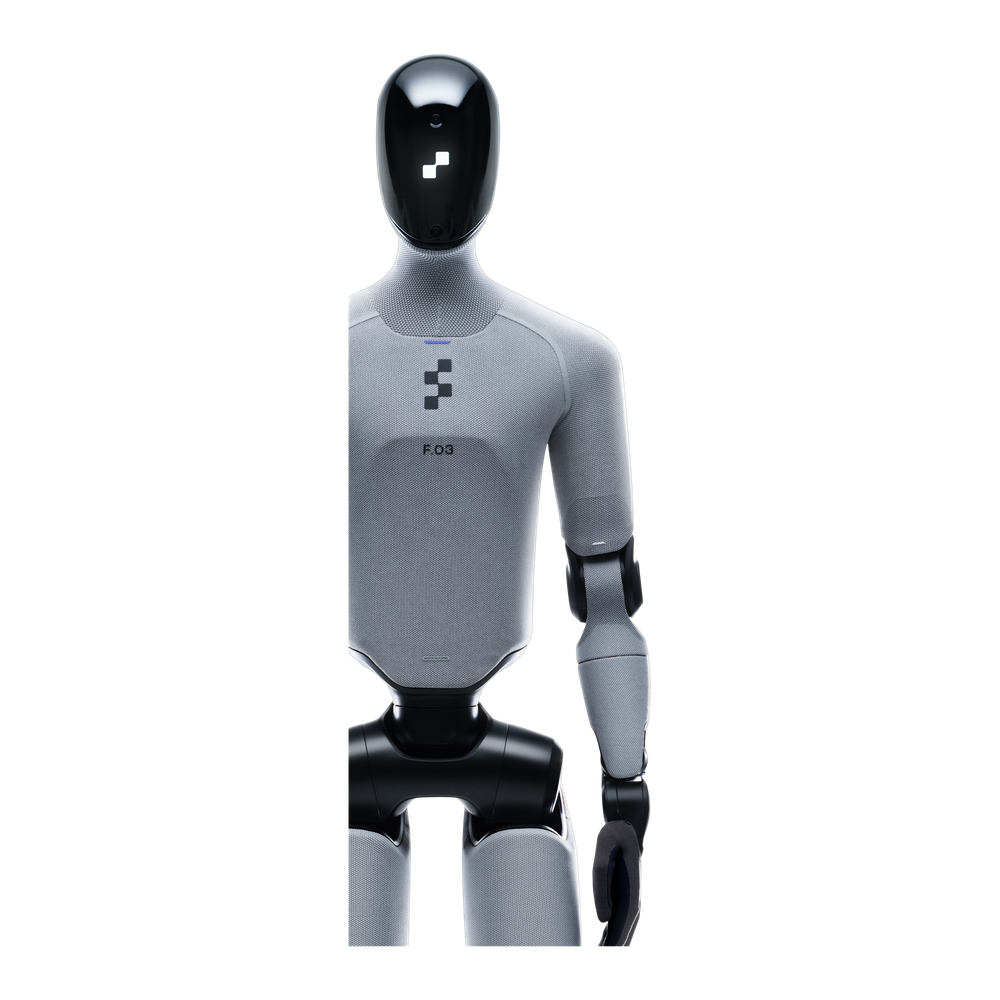
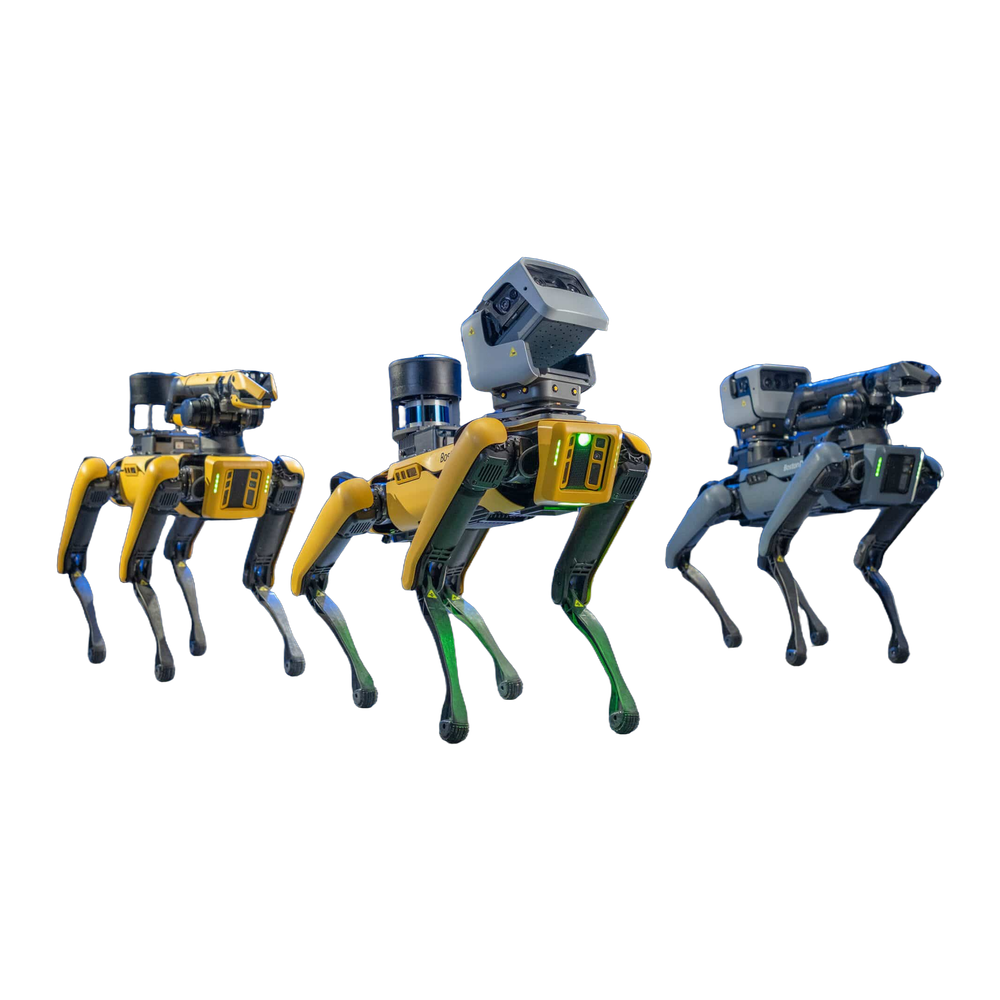
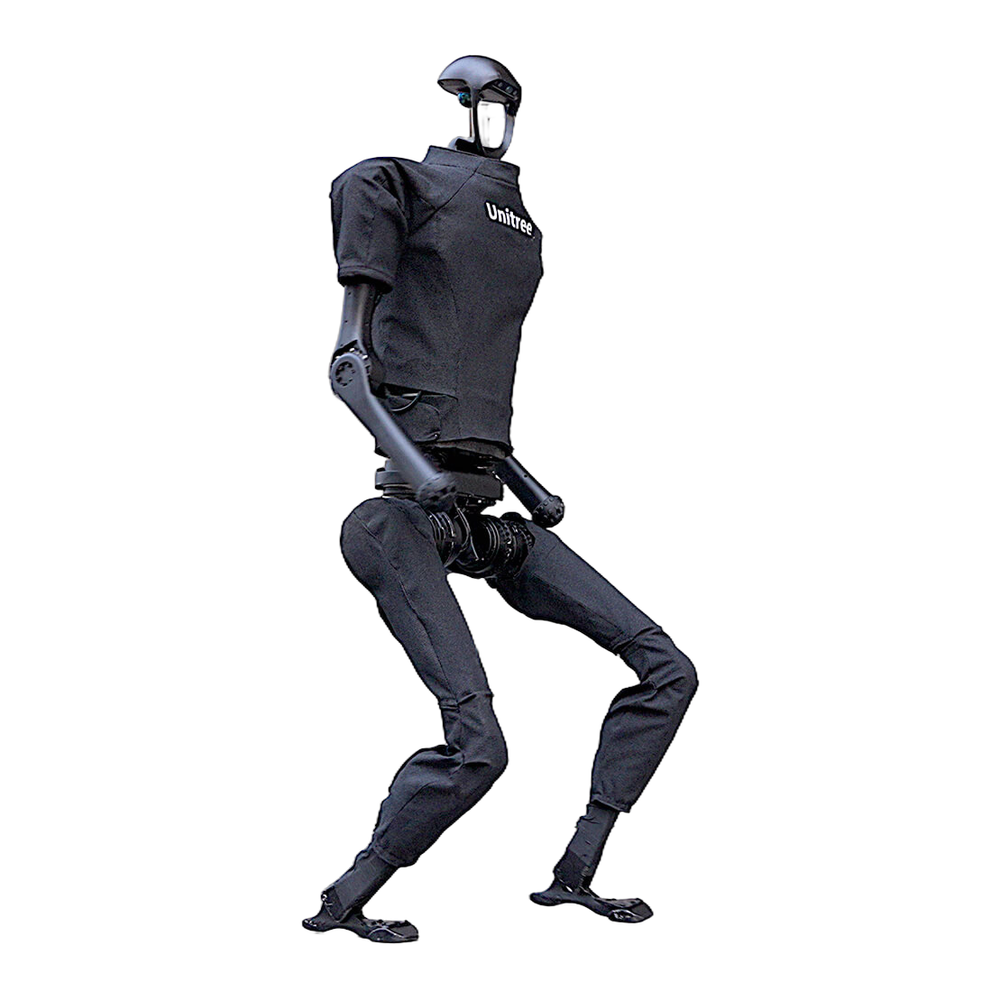
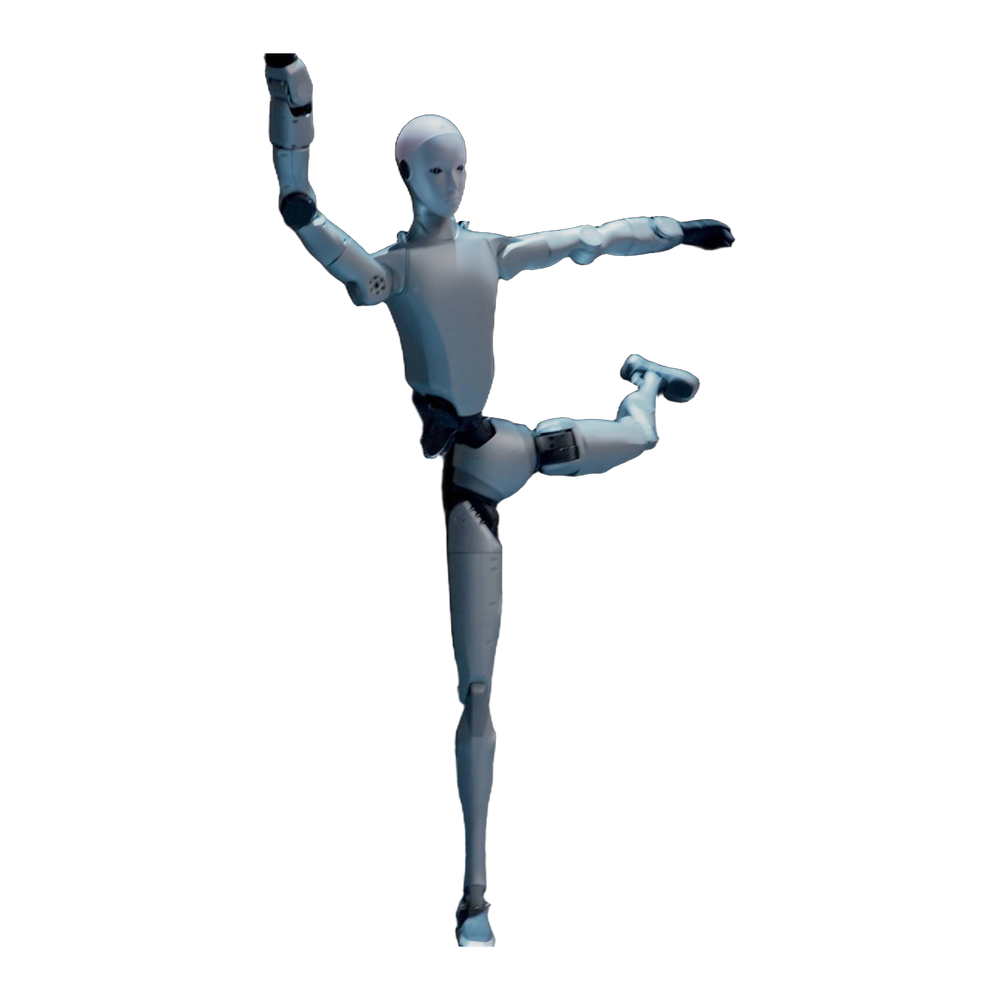
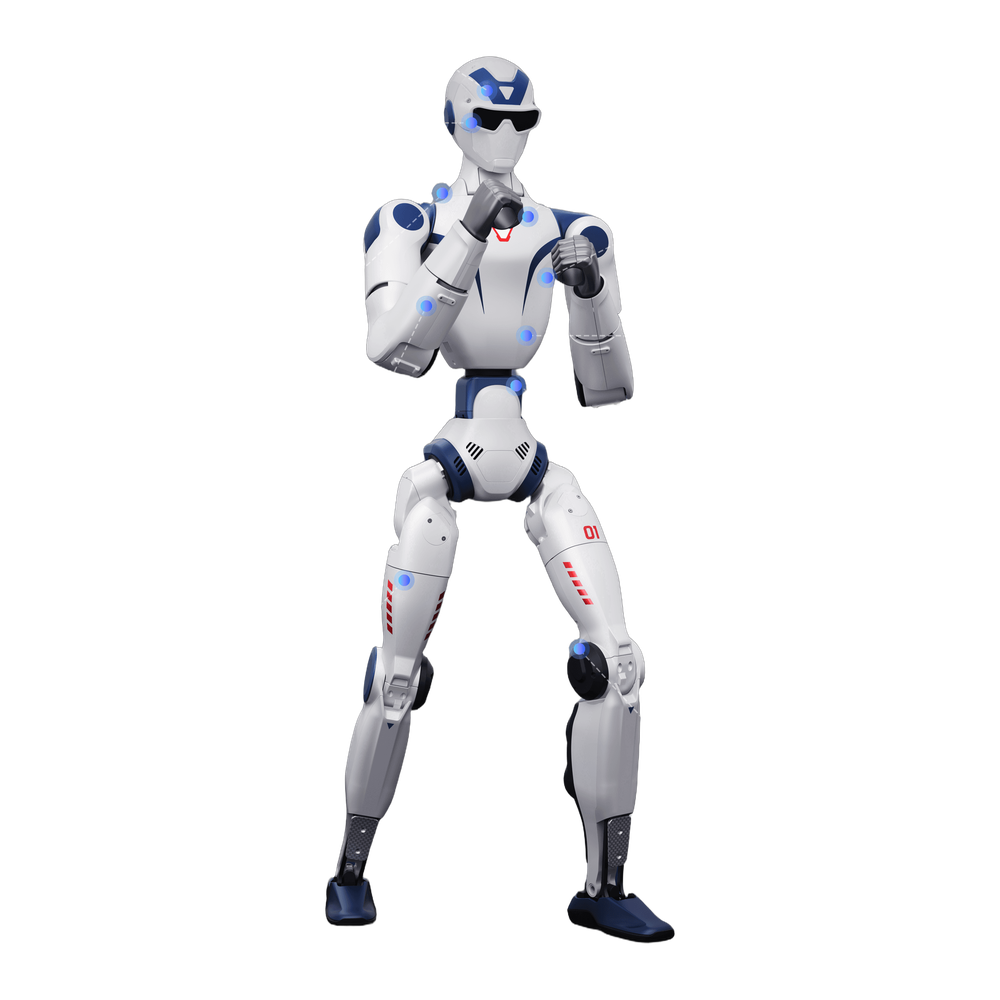
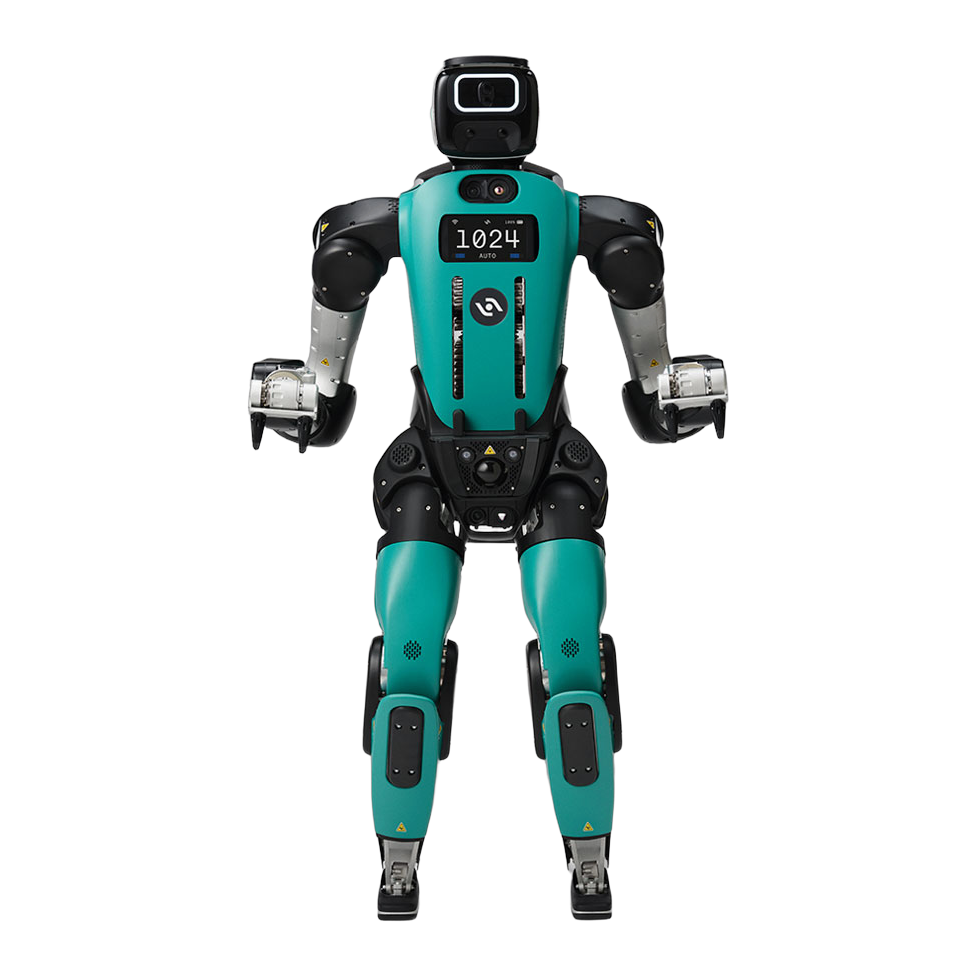
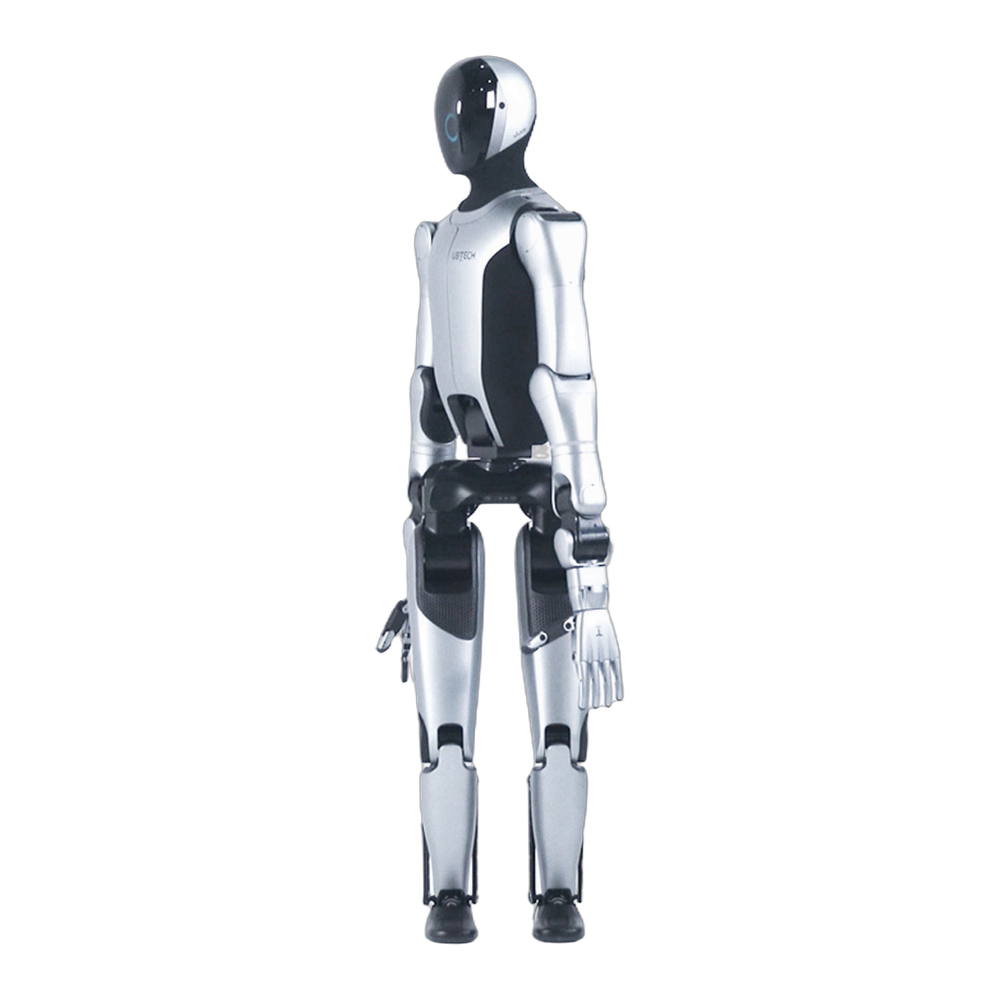
The table lists humanoid robots and robot dogs with the specifications published by their manufacturers. We hire out three machines from it, the other models are listed for comparison only and are not part of our offering.
The table summarises the technical specifications of humanoid robots and robot dogs as published by the manufacturers themselves. If a manufacturer has not published a figure, we leave the field empty and do not fill it in with an estimate or an average from other sources.
We hire out three machines: the Unitree G1 as MONTARI, the Unitree G1 EDU as NOVA and the Unitree Go2 as ORYX. A rental price is given only for these. The remaining models in the table are not on offer and we cannot supply them. They are here so you can see where our machines sit among the rest.
Read the specifications as datasheet figures, not as a guarantee of behaviour in the field. Manufacturers measure battery life during calm movement, payload is usually stated for one arm in a specific position, and the maximum speed applies to short stretches on a flat surface. For some models the specifications differ by version, and in that case we note it in the model description.
The models and their specs.
Unitreeon sale
Unitree G1
A compact bipedal robot 132 cm tall with a 9000 mAh battery and about two hours of runtime. It is used at events, in marketing and to demonstrate walking and interaction with an audience.
The development version of the G1 with a full SDK and access to joint control. Depending on the configuration it has 23 to 43 degrees of freedom and an arm payload of about 3 kg.
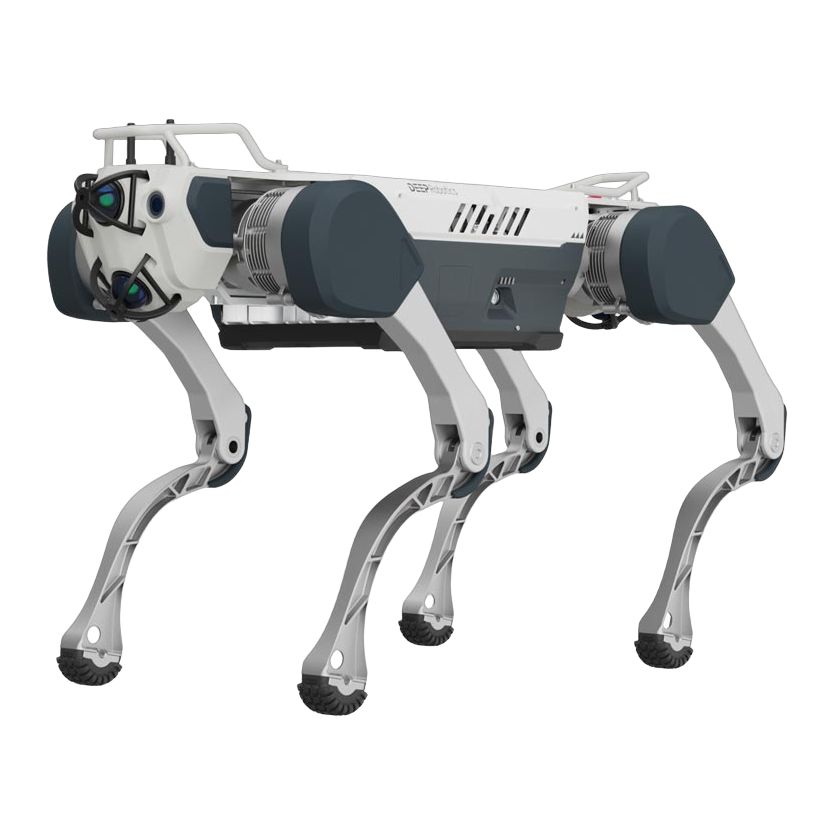
A four-legged robot with twelve joint motors and a weight of 15 kg. Battery life, speed and payload differ by version. The figures given are for the Pro version.
The fully electric version of Atlas for industrial handling. It lifts 50 kg for short periods and 30 kg continuously. So far it is supplied only to selected customers.
The third generation of the Figure humanoid for logistics and the home. The manufacturer states 5 hours of battery life and a payload of 20 kg. It is not sold publicly.
The second generation of the Figure humanoid, tested in BMW production. The manufacturer withdrew the original datasheet, so only partial figures can be verified.
not statedHeightnot statedWeightnot statedBattery life
A four-legged robot for inspections of industrial plants. It carries 14 kg of measuring equipment, battery life averages 90 minutes and charging takes an hour.
A large Unitree humanoid with a walking speed of 3.3 m/s and an 864 Wh battery. It is used in dynamic locomotion research and for demonstration purposes.
An industrial four-legged robot with a 2250 Wh battery. Unloaded it covers more than 20 km, and with a 20 kg load more than 15 km. Standing still it holds 120 kg.
A four-legged robot with IP67 protection and operation from minus 20 to 55 degrees. It covers more than 10 km and handles slopes up to 45 degrees and steps up to 20 cm.
A humanoid with 53 degrees of freedom intended for research and rehabilitation. The payload of a single arm is 3 kg and battery life is up to two hours.
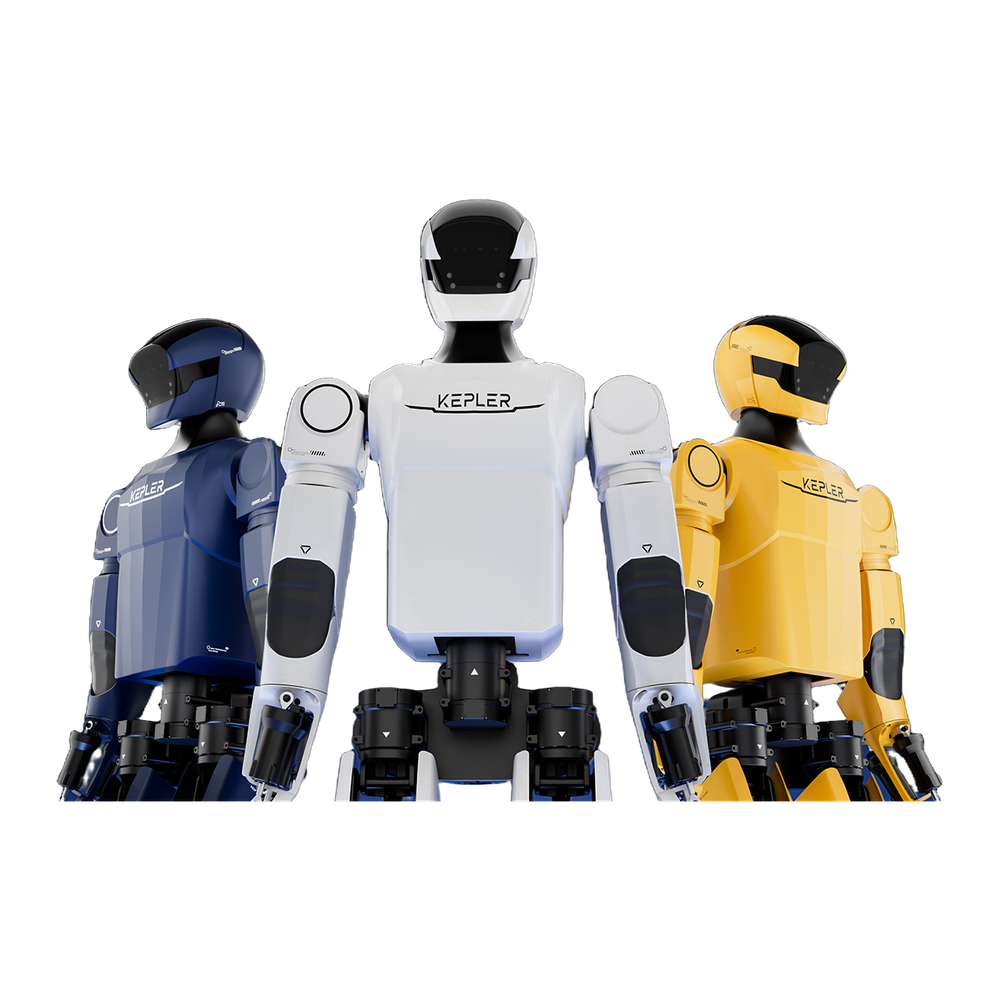
An industrial humanoid with a 2.33 kWh battery and battery life of up to 8 hours. One arm lifts 15 kg. The manufacturer has not officially published height and weight.
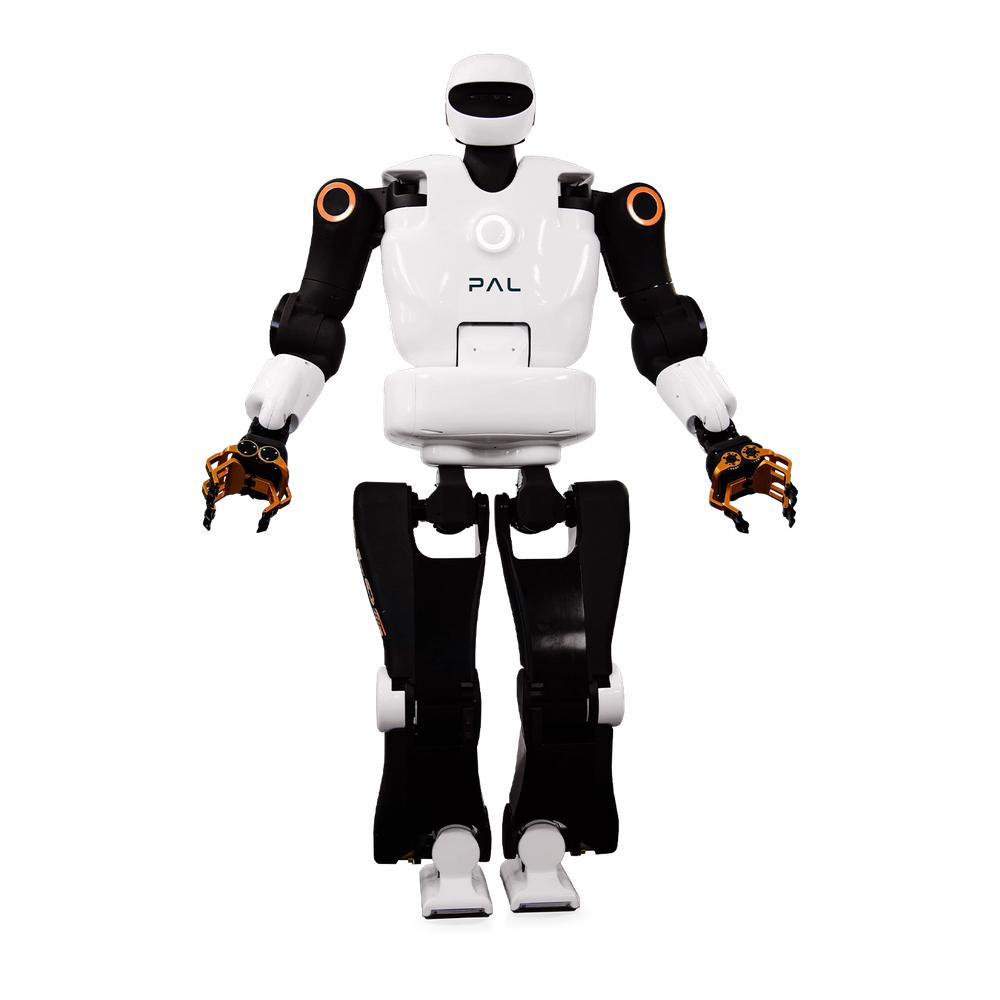
A research platform with torque control and a 2 kHz loop. The payload of a fully extended arm is 6 kg, battery life is 1.5 hours while walking and 3 hours on standby.